
5 important points before testing for Canine Babesiosis

Introduction:
- Canine babesiosis is a worldwide, primarily tick-borne, protozoal disease.
- The disease is predominantly characterized by a direct parasitic and immune-mediated erythrocyte
destruction, causing mild to severe systemic clinical manifestations. - Babesia infections can be acute, subclinical, or chronic.
- The predominant species known to naturally infect dogs are B. canis and B. vogeli (large pyriform) and B. gibsoni (small pleomorphic).
- Accurate species classification is important for providing the appropriate treatment and is difficult to achieve using serological tests and/or microscopy.
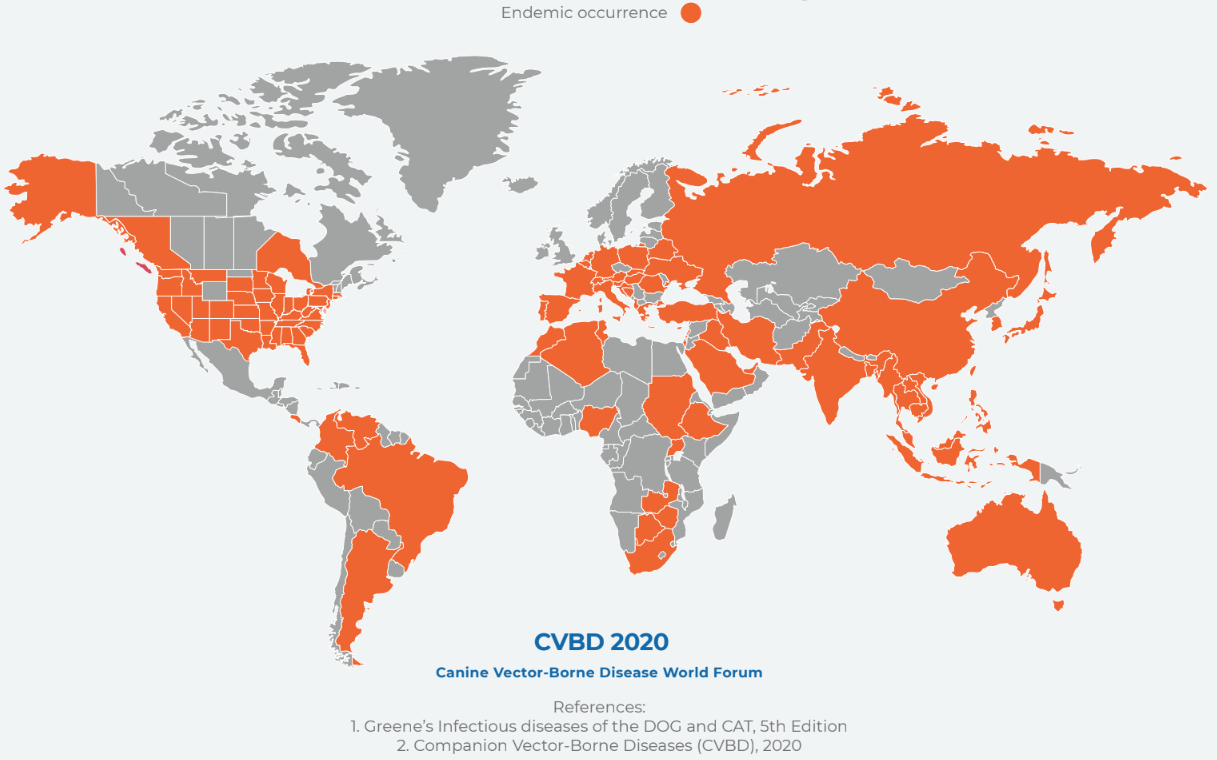
- The infection is more prevalent in certain seasons and geographical regions with high prevalence of tick vector. Due to migration of infected animals, and ticks, geographic range of many Babesia species is expanding.
- Canine babesiosis is frequently accompanied by Ehrlichia canis and other tick transmitted infections.

Main features
Haemolytic anemia, thrombocytopenia, fever
and splenomegaly are the most predominant features.
Blood smear evaluation
Capillary blood from ear Prick samples is recommended.
Blood smear is considered to have low sensitivity and prone to subjective errors in species classification especially in low parasitemia or chronic infection cases.
Serology limitations:
False Negative: generation of a detectable level of serum antibody can take up to 10 days post infection. False Positive: positive antibody test may indicate past exposure rather than present disease. Inaccurate species classification due to cross reactivity between Babesia species.
Accuracy
Accurate detection and species recognition are important for the selection of correct therapy and predicting the course of disease.
Dr. Mariana Cazaux
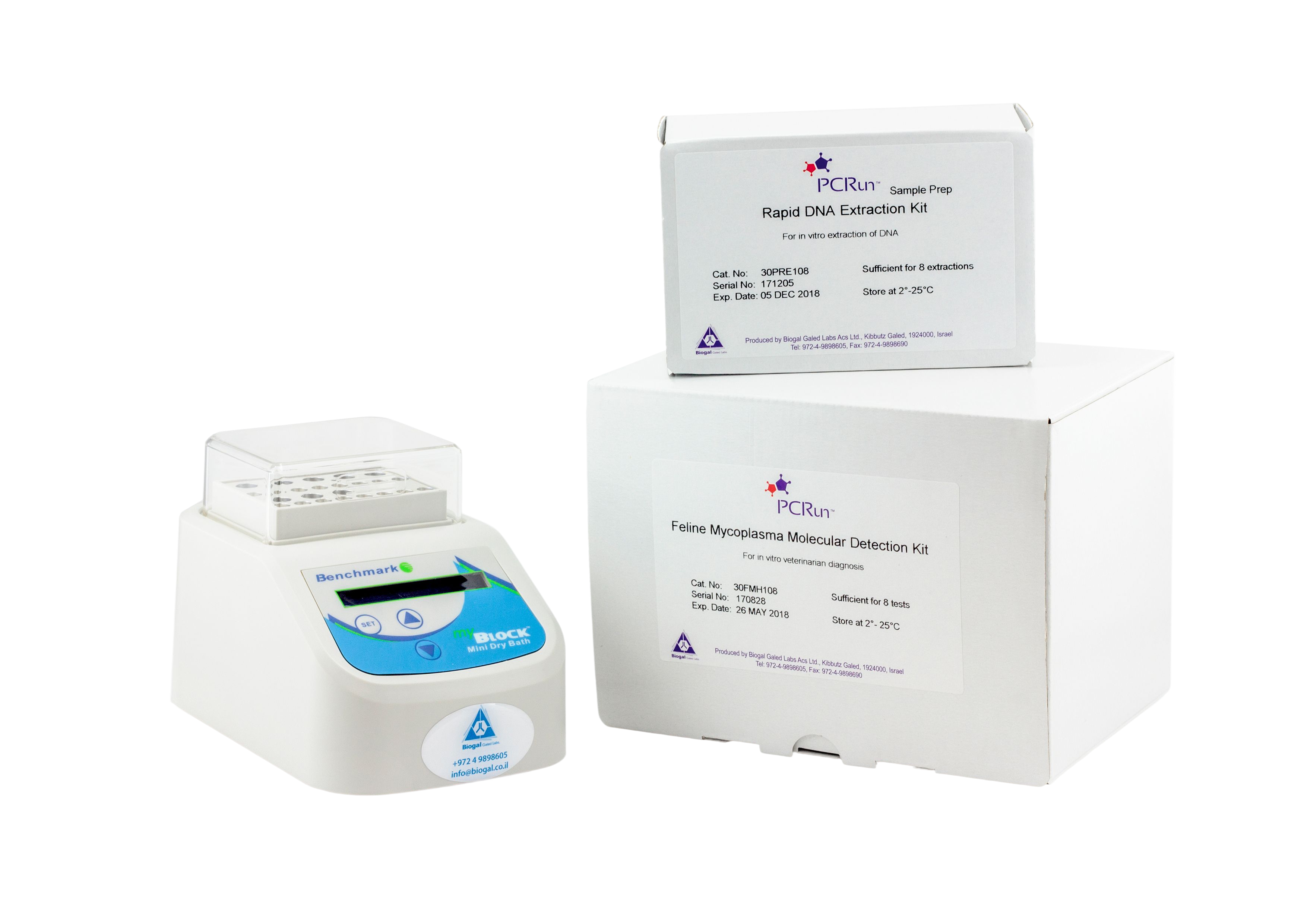
In clinic PCR tests, such as PCRun® Molecular detection kits, provide a rapid, sensitive, and species-specific diagnosis of canine babesiosis in acute and persistent infections, allowing to treat appropriately and efficiently.
– Babesia spp (B. canis, B.vogeli, B. rossi, B.gibsoni and B.negevi)
– Babesia canis
– Babesia gibsoni
The use of PCRun Babesia species test kit, which is a very sensitive test, in regions were both B. canis and B. gibsoni are common, a negative result will exclude Babesia infection. When result is positive a further investigation should be done by using PCRun Babesia gibsoni or Babesia canis kits to determine the specific species and thereafter the appropriate treatment.
Endemic Map

Popular Topics

5 easy tips for better titer testing
Core Vaccinations- What You Should Know

Feline Vaccination Life Hacks