
Case Study- Two Vaccinated Dogs Found to Lack Protective Antibodies
Introduction
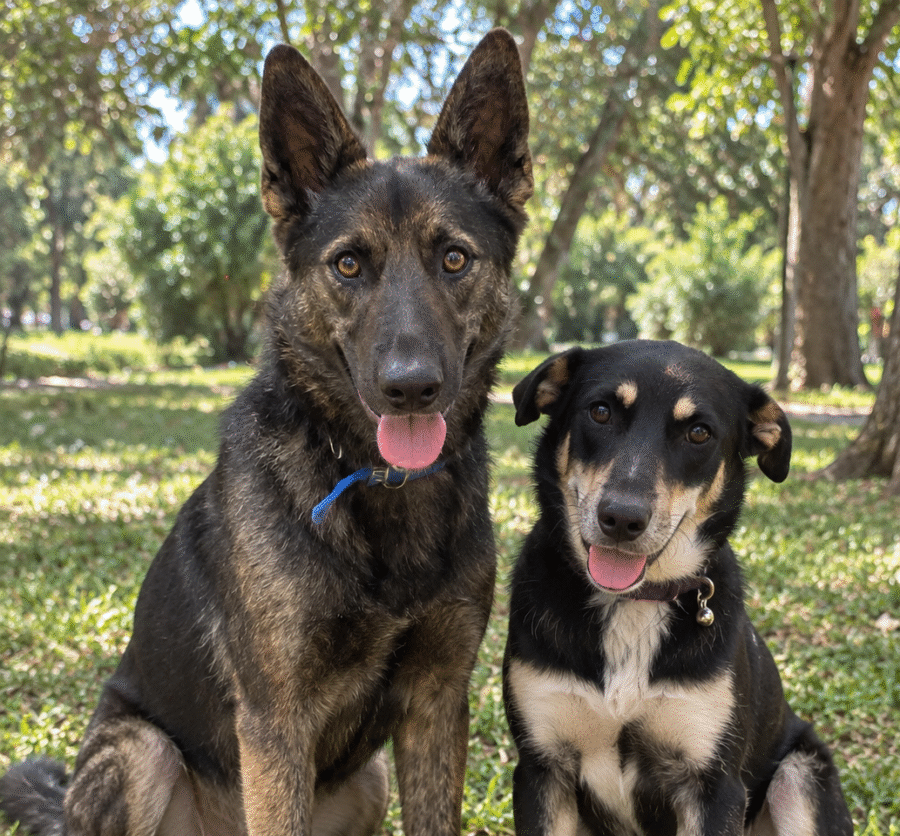
Vaccination remains the most effective method of protecting dogs against the core viral diseases canine parvovirus (CPV), canine distemper virus (CDV), and canine adenovirus (CAV). In most dogs, vaccination induces long-lasting protective immunity. However, individual variation in immune response means that not every vaccinated dog develops or maintains protective antibody levels.
This case study presents two clinically healthy dogs that had been vaccinated according to accepted protocols but were later found to lack protective antibodies against one or more core pathogens. In both cases, antibody testing identified the gap in immunity, allowing revaccination and confirmation of protection.
Case 1: Zoey
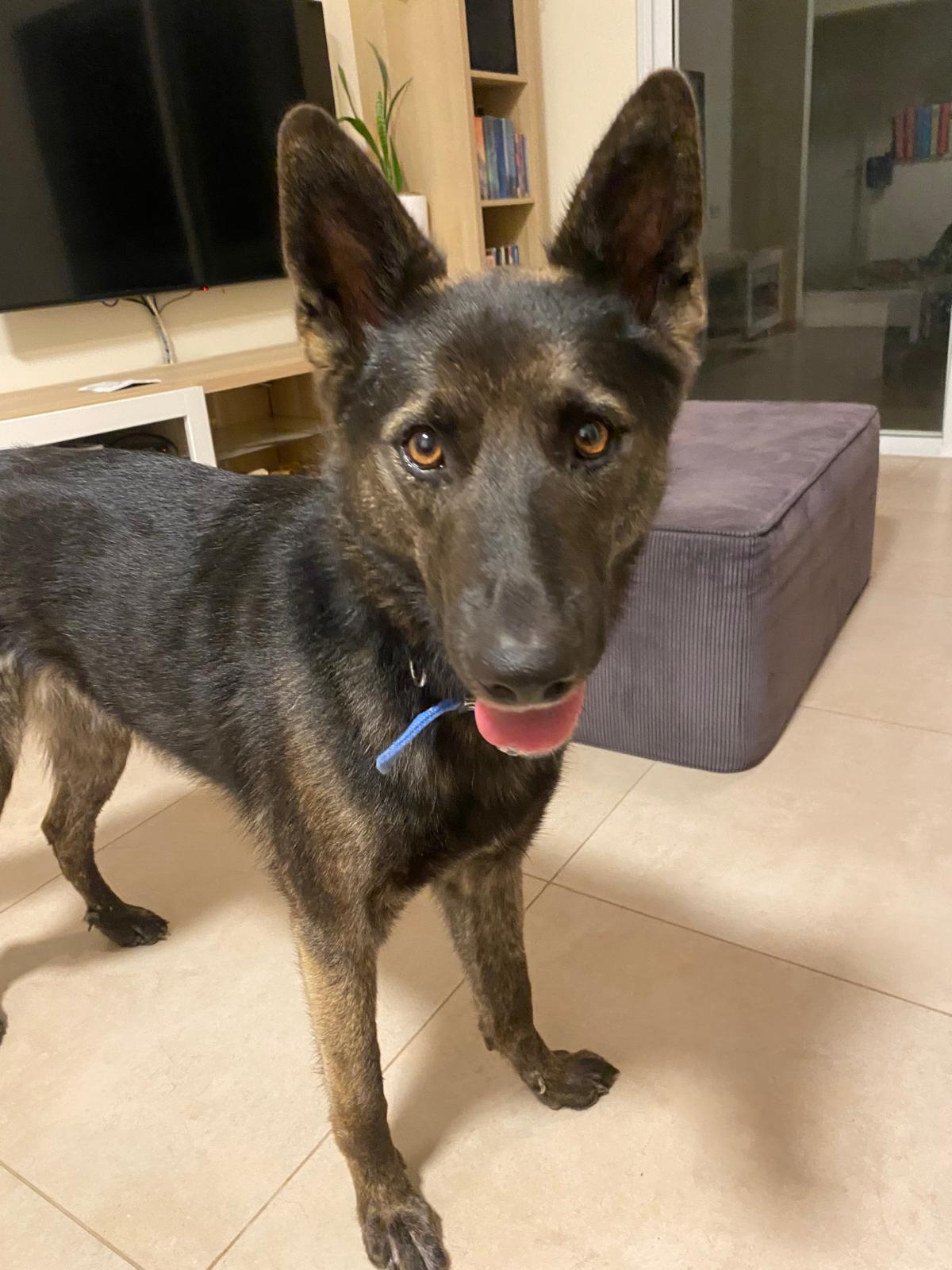
Patient History
- Date of birth: March 10, 2025
- Vaccination history: Completed the puppy vaccination series at 15 weeks of age.
- Clinical status: Healthy with no history suggestive of infectious disease.
At 1 year and 3 months of age, Zoey underwent routine antibody testing using VacciCheck to evaluate immunity against the canine core viruses.
Titer Results
Zoey demonstrated:
- Canine adenovirus- positive
- Canine parvovirus- negative
- Canine distemper virus- negative
Although fully vaccinated as a puppy, Zoey lacked detectable protective antibodies against both CPV and CDV.
Clinical Management
Zoey was revaccinated with a core vaccine.
A follow-up VacciCheck performed after revaccination demonstrated protective antibody levels against all three core viruses.
Outcome
Following revaccination, Zoey tested positive for antibodies against:
- Canine Parvovirus
- Canine Distemper virus
- Canine Adenovirus
The repeat test confirmed successful immunization.
Case 2: Tokyo
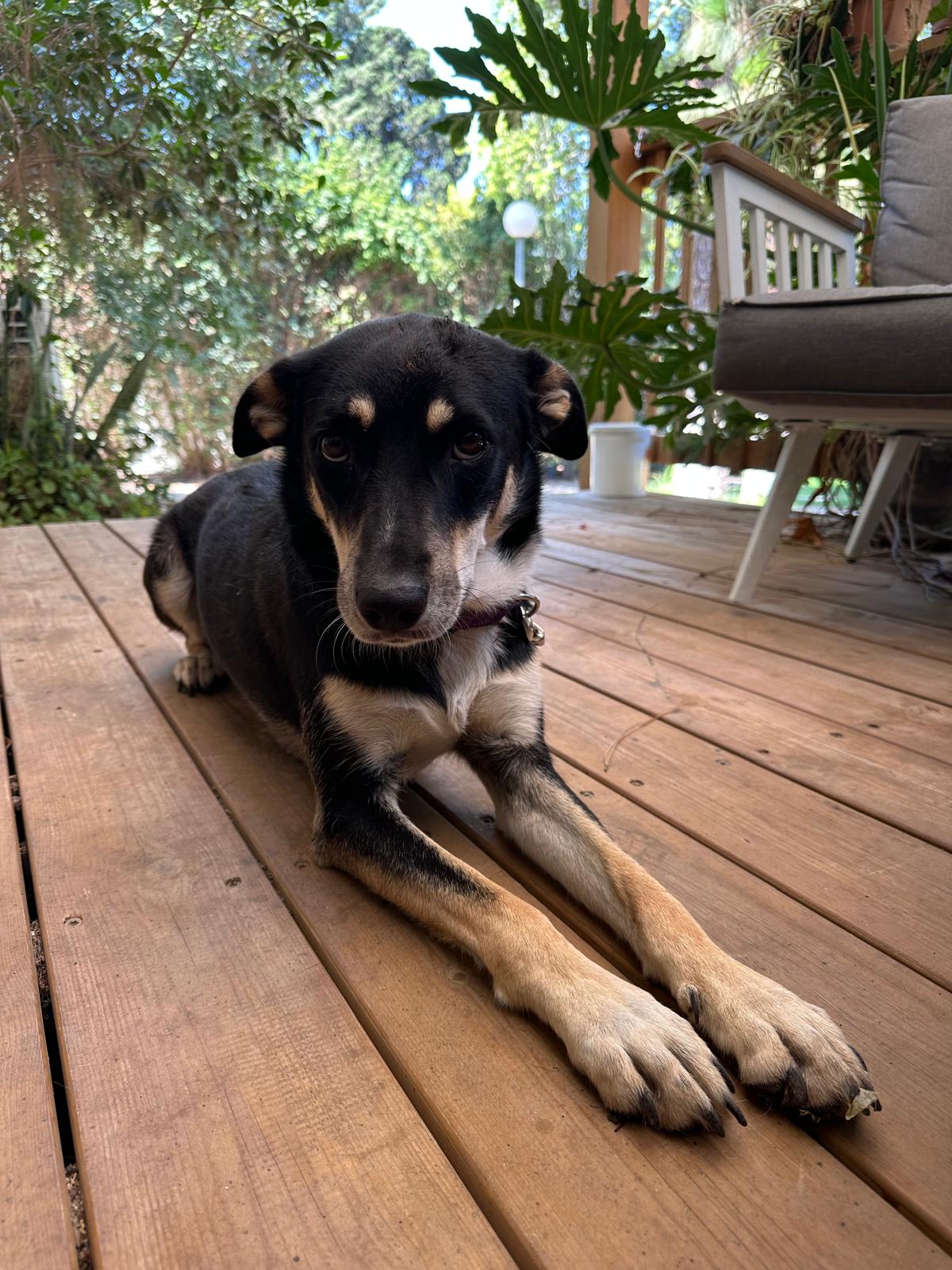
Patient History
- Date of birth: March 27, 2025
- Vaccination history: Received two core vaccinations while in a shelter on August 12 2025 and August 30 2025.
- Clinical status: Healthy.
At 1 year and 3 months of age, routine antibody testing was performed using VacciCheck.
Titer Results
Tokyo demonstrated:
- Canine adenovirus- postive
- Canine parvovirus- positive
- Canine distemper virus- negative
Despite receiving two documented vaccinations at 6 months of age, Tokyo lacked protective antibodies against canine distemper virus.
Clinical Management
Tokyo received a booster vaccination.
Follow-up antibody testing confirmed seroconversion to all three core viruses.
Outcome
Repeat VacciCheck testing demonstrated protective antibodies against:
- Canine Parvovirus
- Canine Distemper virus
- Canine Adenovirus
Main Takeaway:


Popular Topics

5 easy tips for better titer testing
Core Vaccinations- What You Should Know

Feline Vaccination Life Hacks