
6 Points Before Testing for Canine Parvovirus Infection

Introduction:
- CPV2 is a highly contagious, fast progressing and life-threatening enteric disease which primarily affects unvaccinated or partly vaccinated puppies under the age of 6 months.
- The virus has an affinity for rapidly dividing cells causing bone marrow and enteric damage resulting in panleukopenia and bloody diarrhea.
- An accurate diagnostic tool is critical for taking early appropriate measures such as adjusting the optimal treatment, preventing viral spread and determining prognosis
- A tentative diagnosis of CPV2 infection is based on anamnesis which includes exposure to contamination, vaccination history, clinical signs, and supportive blood tests.
- A definitive diagnosis requires a sensitive and specific test.

Main characteristic of CPV
Severe gastroenteritis, vomiting and bloody diarrhea.
Findings of panleukopenia on complete blood count.
In-clinic fecal antigen test limitation
Low sensitivity:
False negative results due to Ab-Ag complexes and intermittent shedding.
In-clinic IgM antibody test
Positive IgM results in symptomatic unvaccinated puppies can indicate an early acute infection.
ImmunoComb Parvo-Distemper IgM antibody test is a semi-quantitative dot ELISA for diagnosis of early stage Parvo and Distemper when IgM is the major antibody present.
Molecular detection test – PCR
Compared to fecal antigen tests, PCR assays have higher sensitivity.
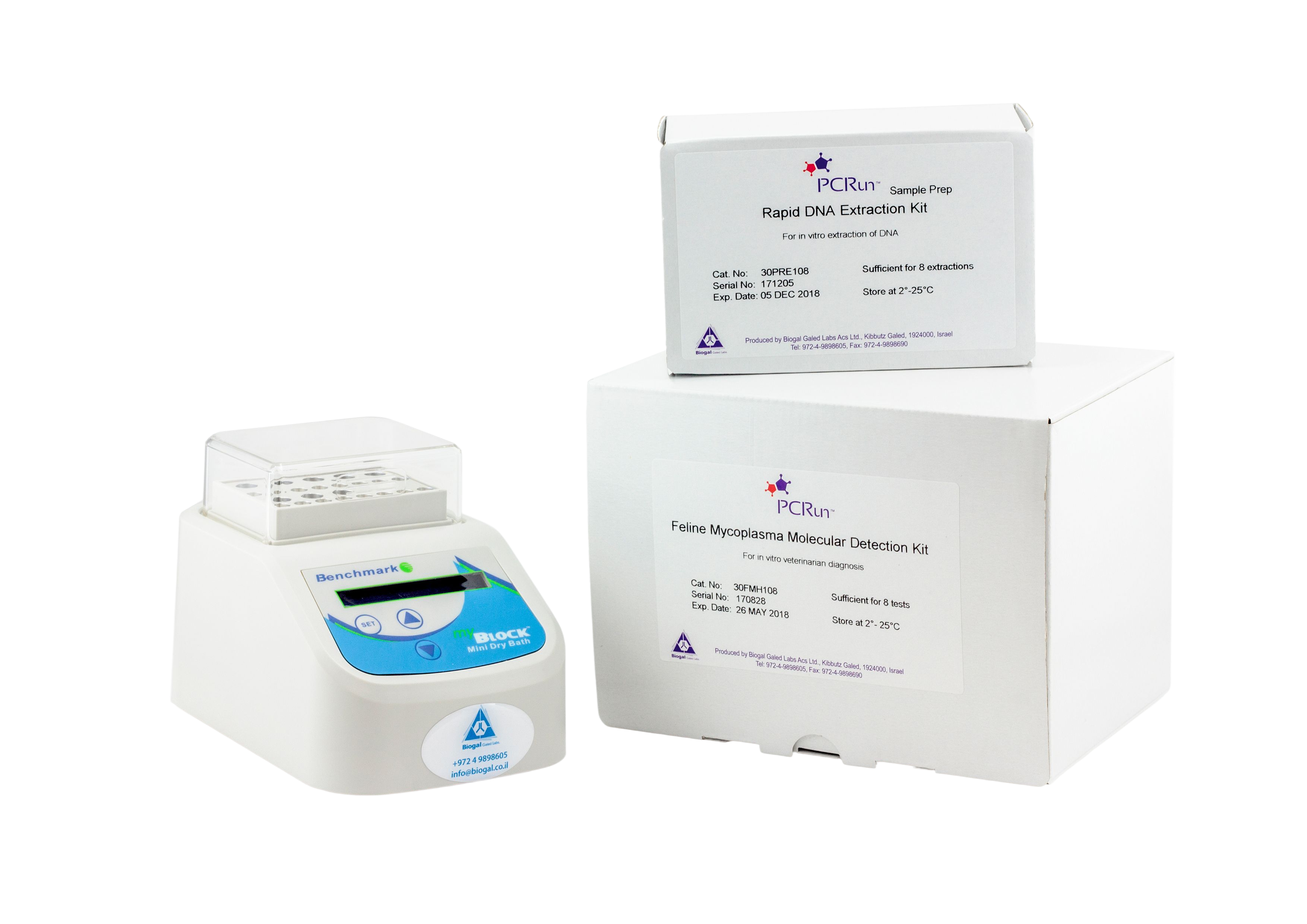
PCRun
PCRun is an in-clinic laboratory-based test designed to assist in reaching a correct diagnosis in conjunction with other diagnostic tests.
BLOOD AND PHARYNGEAL SWABS are the recommended samples for PCRun assays. (**)
Positive PCRun results in puppies 20 days post vaccination (or later), combined with compatible findings, would most likely indicate an active infection.
Definitive diagnosis
A final diagnosis should be based on a combination of signalment, history, clinical signs, laboratory findings, IgM and/or PCR test results.

Popular Topics

5 easy tips for better titer testing
Core Vaccinations- What You Should Know

Feline Vaccination Life Hacks