
5 easy tips for better titer testing

Introduction:
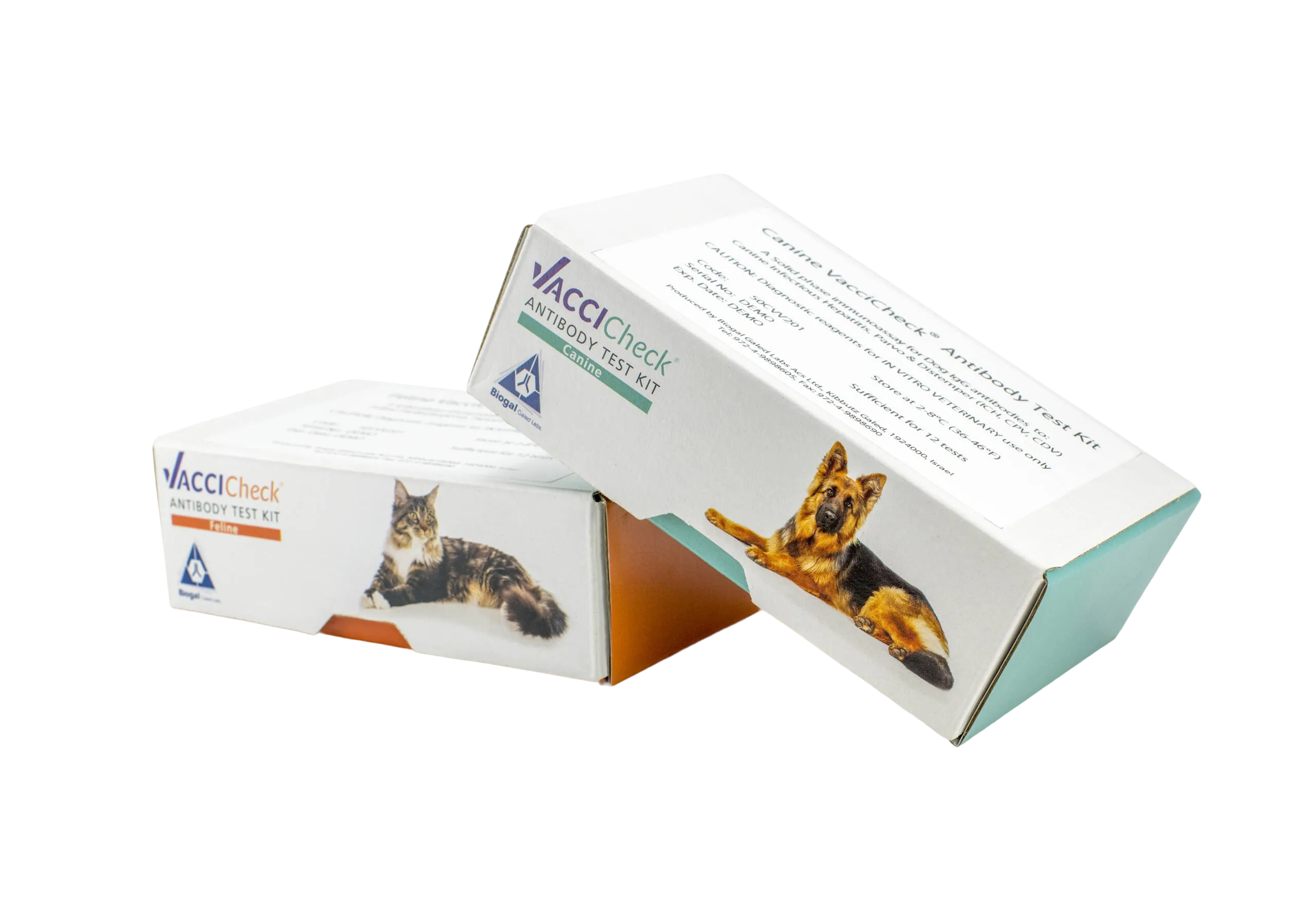
Core vaccine Titer Testing is an invaluable tool to:
- Determine when the pet requires booster vaccination.
- Identify genetic non-responders in young animals.
- Provide a basis for vaccination decisions for animals with a history of vaccine reactions.
- Provide a basis for vaccination decisions for animals with a history of immune-mediated disease or immune-suppression.
- Address client concerns about vaccinations.

Confirmation of immunity before socialization
Titer testing should be considered at the end of the initial series of vaccinations to ensure that the puppy or kitten has developed a protective immune response and to determine whether additional vaccination is required.
Veterinary Wellness Checkups
Owners should be educated on the dangers of not boosting their pets against vaccine–preventable diseases. Adult pets with a history of immunity can benefit from Titer Tests every 1-3 years which can replace scheduled core boosters.
Veterinary Practice in Animal Adoption Shelters
Titer Testing should be included in shelter protocols to help control core disease outbreaks. Titer Testing and population segregation based on titer levels have proven to be highly effective in managing infectious disease outbreaks in shelters.
Vaccination of Pets with Risk of Negative Reaction to Core Vaccine
Owners of pets with weakened immune systems, those receiving certain cancer treatments, and animals who have had severe, negative reactions to vaccines should be advised to Titer Test before vaccination.
Veterinary exams on adopted pets with limited medical records
Adopters should be offered Titer Testing instead of automatic vaccination.

Popular Topics
5 easy tips for better titer testing
Core Vaccinations- What You Should Know

Feline Vaccination Life Hacks