
5 Tips in Diagnostics of Mycoplasma Haemofelis

Introduction:
- Organisms may be numerous, rare, or undetectable in a given blood sample due to cyclic parasitemia.
- An asymptomatic carrier state can occur resulting in potential spread of the disease and re-occurrence when under stress.
- Parasitemia is episodic and is directly coupled with decreased hematocrit levels at the time of increased parasitic load.
- Acute infection often results in severe hemolytic anemia with a marked regenerative response, especially in young cats, mild anemia can also occur.
- Chronic infection is not usually associated with anemia.
- Laboratory confirmation was traditionally accomplished by microscopic blood smear analysis BUT the technique has limitations therefore, using molecular assays (PCR) increases your diagnostic performance.

Clinical Signs
Pyrexia and regenerative anemia are common features of Mycoplasma haemofelis infection. Always consider Mycoplasma haemofelis as a part of your clinical investigation.
Blood smear limitations
False negative
Up to 50% of the times due to organism number fluctuations, detached organism from RBC (e.g, aged sample) and due to antibiotic treatment .
False positive Due to stain precipitate, drying artifacts, Howell-Jolly bodies, Basophilic stippling etc.
PCR reaction
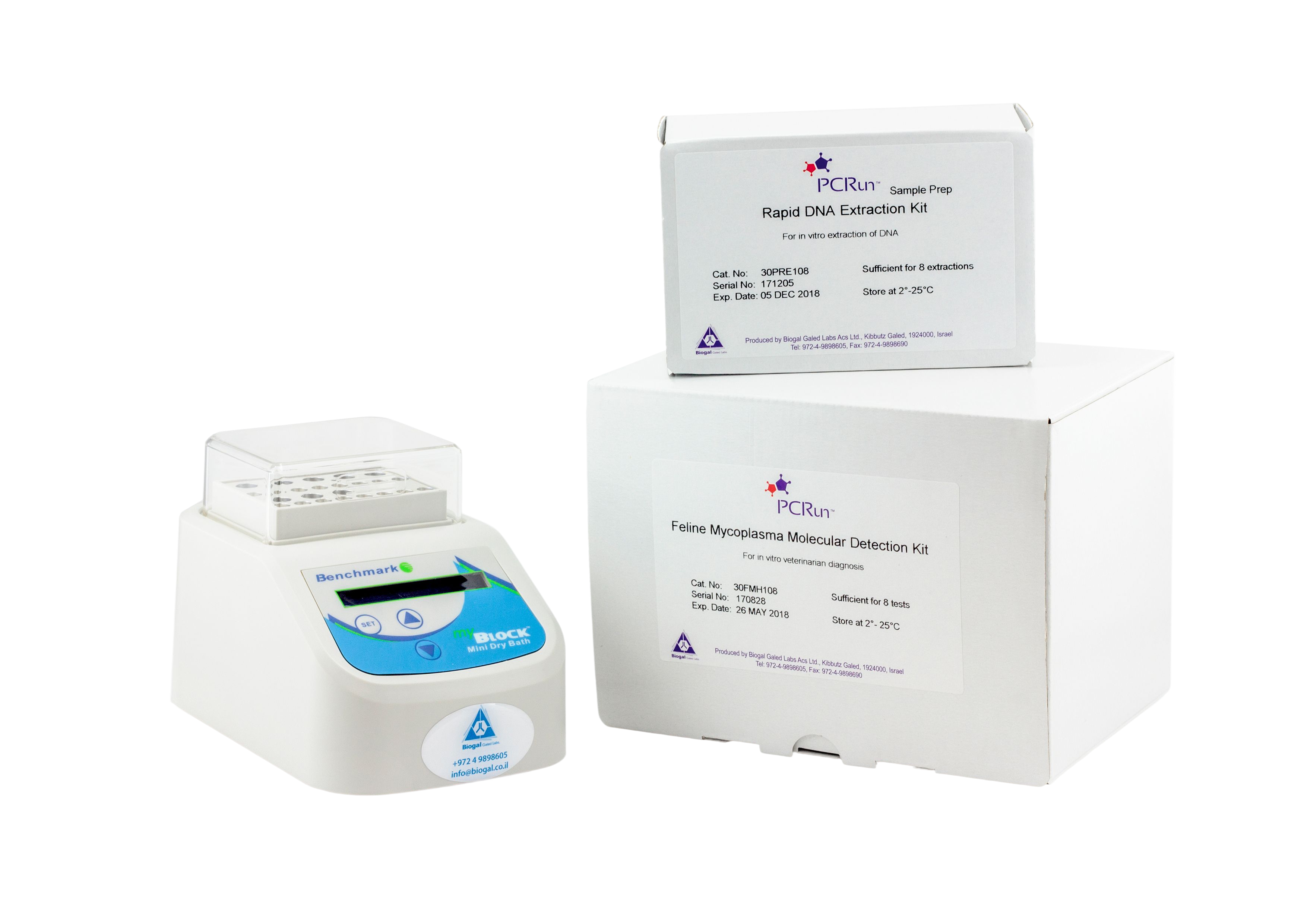
Can detect pathogens when the organism is not present on the cell and in low parasitemia cases. Therefore, PCR is the best option for a practical and accurate detection of M.haemofelis infection.
PCR reaction
Samples should be taken before treatment initiation to avoid false negative results.
Blood donors
Should always be screened for M.haemofelis infection.

Popular Topics

5 easy tips for better titer testing
Core Vaccinations- What You Should Know

Feline Vaccination Life Hacks