Case Study- Feline infectious peritonitis

Why did GS-441524 Feline infectious peritonitis antiviral treatment not work for Theo the cat?
In this Case Study:
We find out what happened to Theo who was diagnosed with feline infectious peritonitis (FIP) but did not respond to the GS-441524 treatment.
Theo’s presentation:
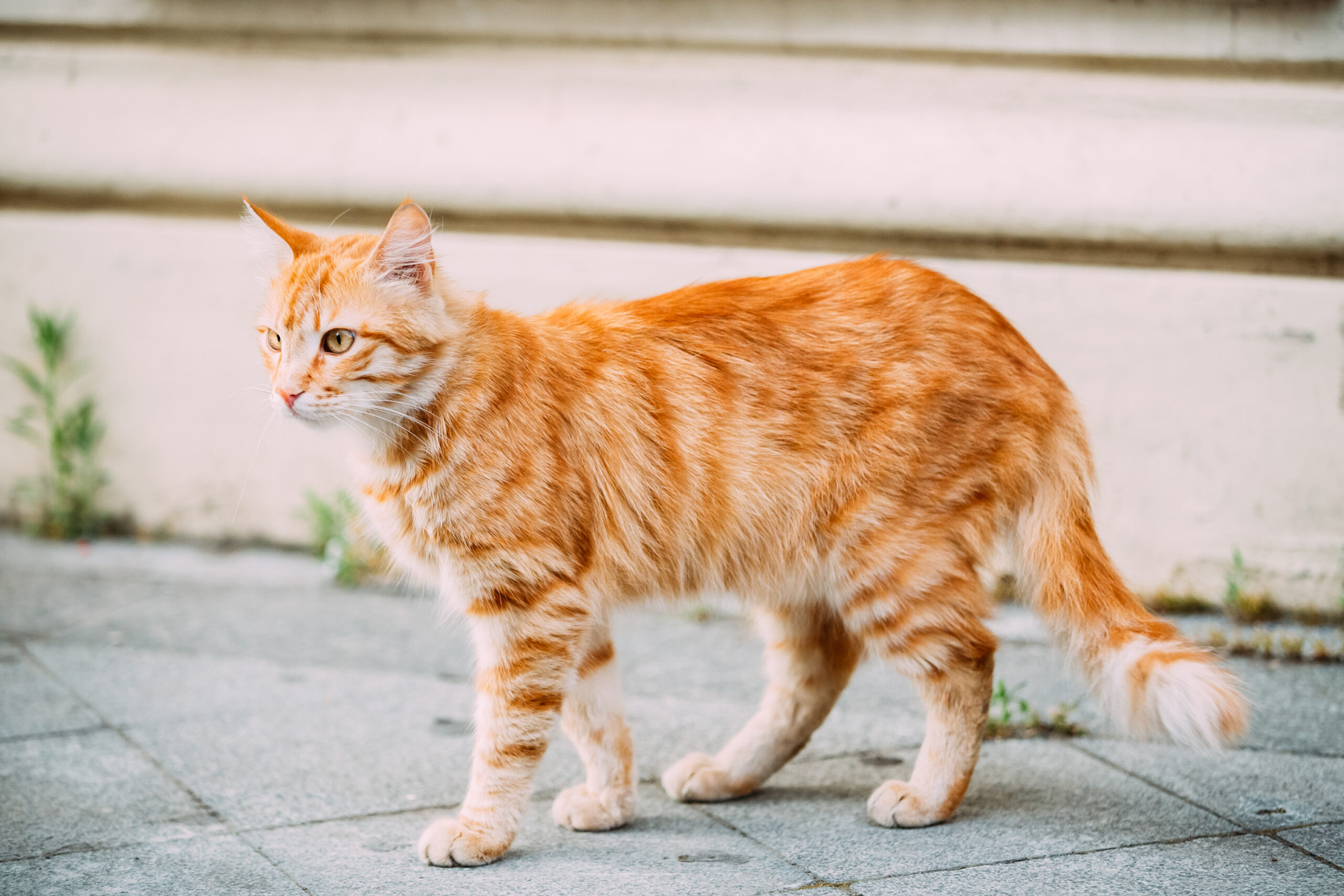
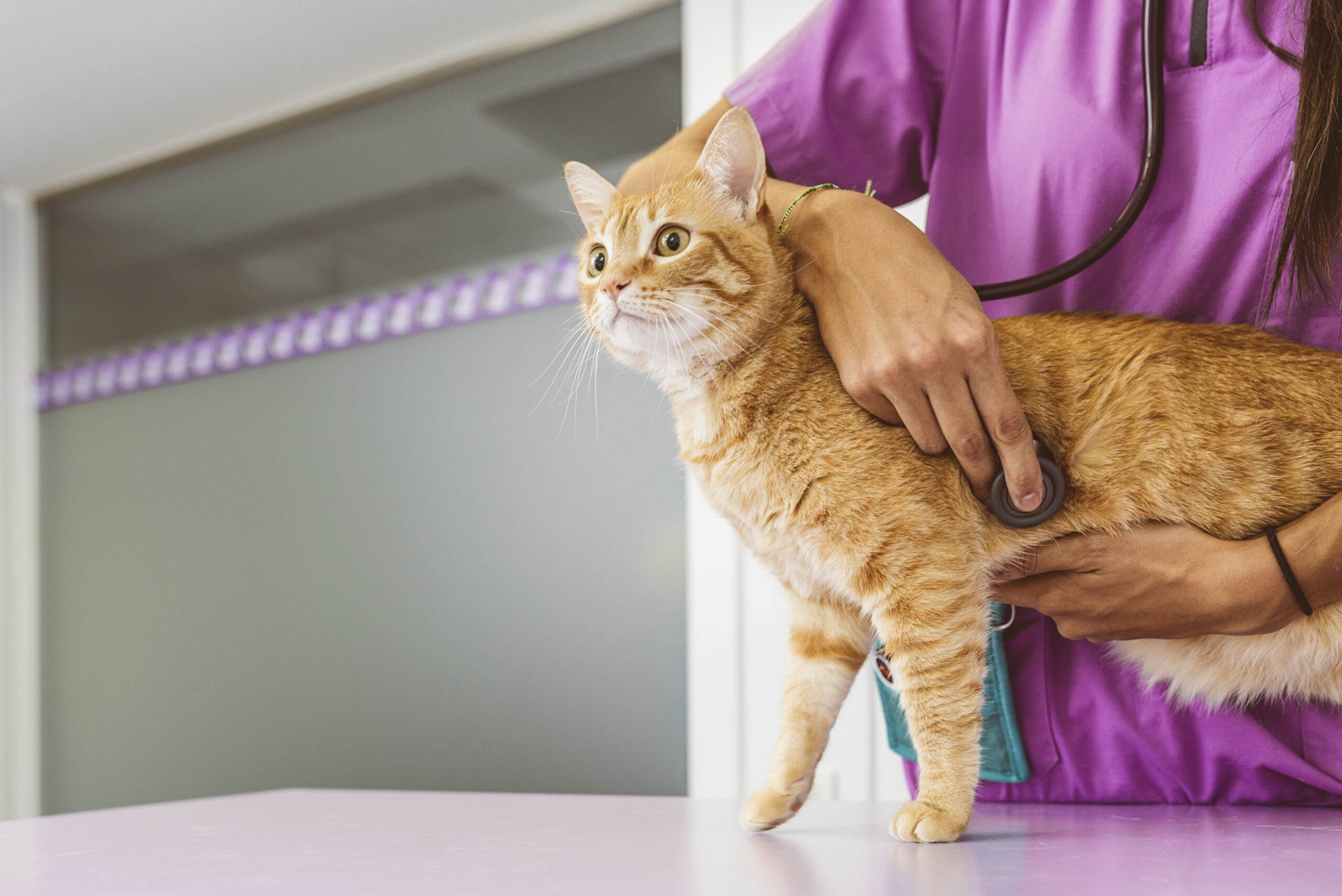
In June 2021, at the age of six months, I met Theo, a Bengal cross tabby cat, with severe abdominal enlargement that was due to ascites according to the ultra- sound. The ultrasound also showed a mass on his spleen.
Theo had been to three primary care practices. He was presented to my online consulting practice because even though he was on an oral GS-441524 antiviral feline infectious peritonitis (FIP) treatment for 3 weeks, his effusion was getting worse instead of better.
So much so that nine attending veterinary surgeons from different veterinary practices recommended euthanasia.
Why was Theo not responding to the antiviral FIP treatment?
- Wrong diagnosis: maybe Theo didn’t really have FIP?
- Did he have a 2nd condition in addition to FIP giving the impression that his FIP wasn’t responding to treatment? For example, cardiomyopathy?
- Had the virus developed resistance to the antiviral drug? (This most commonly occurs when injectable antivirals are used.)
- Was the antiviral drug unable to penetrate the organ affected by FIP? (This most commonly occurs in the brain, leading to neurological relapses.)
Reasons to Doubt Theo ́s FIP Diagnosis
Dr. Addie’s thoughts
1. Theo had been taking Mutian GS-441524 for three weeks, yet his ascites was getting worse, not better.
Good quality GS-441524 pills rarely fail to cure FIP: The injections sometime fail because they do not reliably clear the gut virus, allowing a relapse to occur. However, the pills work well.
2. Theo’s normal blood globulin results:
1st June 2021: 28g/L (normal = 27-45g/L)
17th June 2021: 27g/L
Cats with FIP usually have raised globulin levels. In fact, it tends to be only in cats with neurological FIP cases where globulin levels are not remarkably elevated. Even after 2 weeks, Theo’s globulins did not increase.
3.TWO negative feline coronavirus (FCoV) RT-PCR tests on the effusion!
Theo received TWO negative FCoV RT-PCR test results on his ascites, from different laboratories. If it had just been one laboratory, I’d have thought their test wasn’t sensitive enough – but TWO laboratories said there was no viral RNA in his effusion. A true negative FCoV RT-PCR test on an effusion from a cat with FIP is extremely rare.
As you can see from the table above, there were at least three good reasons to doubt Theo’s FIP diagnosis. Yet despite two negative FCoV RT-PCR tests on his ascites, nine veterinary surgeons at three different clinics maintained that Theo had feline infectious peritonitis. Why? Because of a positive Rivalta test! They diagnosed FIP even though the predictive value of a positive Rivalta test is only 58%, not much better than tossing a coin!
- Would you have diagnosed Theo with FIP based on his clinical signs and a positive Rivalta test?
- Would you have recommended euthanasia in this circumstance?
- Were there other options?
The Rivalta test should only ever be used to EXCLUDE a diagnosis of FIP, not to
make a diagnosis of FIP.
Why had nobody run a FCoV antibody test?
Step 3 of the www.catvirus.com FIP diagnostic flowchart includes an in-house FCoV antibody titre (if unavailable, this test should be conducted at a good known veterinary laboratory). A FCoV antibody test had not been performed, therefore I recommended it be performed as soon as possible.
As with the Rivalta test, a positive FCoV antibody test only means the cat might have FIP, whereas a negative FCoV antibody test rules out FIP pretty effectively.
An FCoV antibody test is very useful in ruling out FIP
Provided the test is sensitive enough. Obviously, a false negative result would be catastrophic when diagnosing FIP. An FCoV antibody test is very useful in ruling out FIP
It is vital that the FCoV antibody test be performed on blood, preferably serum or plasma rather than whole blood, and not on an effusion, which can increase the chances of a false negative result.
When screening for FCoV antibodies you require a test that is extremely sensitive.
When confirming, you require a laboratory test that is very specific.
FIP diagnosis:
FCoV RT-PCR or Antibody Test
- You need a test with excellent sensitivity to rule out FIP with absolute confidence.
- When in doubt: Send your sample to a reference laboratory for confirmation.
We’ve already seen above that the veterinary surgeons attending Theo believed that his FCoV RT-PCR result was falsely negative, even though the test was repeated at a different laboratory.
This is a question responsible clinicians must ask themselves when they receive a laboratory test result that conflicts with the clinical picture in front of them: “Can I trust this result? Is it a true negative or a false negative?”
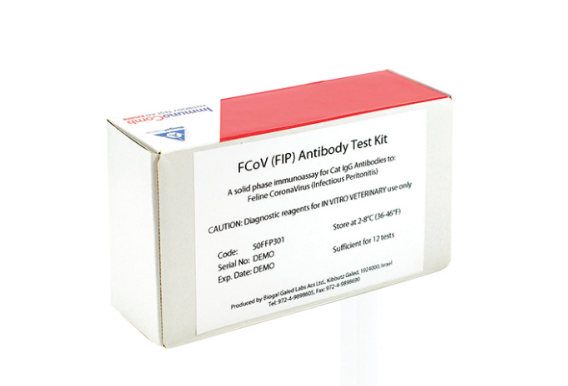
- To resolve the doubts of the attending veterinarians I recommended using a completely different test – the FCoV antibody test – because if Theo’s antibody titre was zero it would show that he had not been exposed to FCoV and so he could not have FIP. Unfortunately there are no published comparisons of commercially available FCoV RT-PCR tests, but there is an independent comparison of FCoV antibody tests. In 2015, my colleagues and I published a paper comparing two FCoV antibody tests, both in-house, and at various laboratories that had agreed to participate. (Addie et al, 2015). The test that fared the best for both sensitivity and specificity was ImmunoComb Feline Coronavirus (FCoV) [FIP] Antibody Test Kit (Biogal Galed Labs.)
- Theo’s blood was sent to Glasgow Veterinary School Diagnostic Laboratory and the result was a FCoV antibody titre of zero, which effectively ruled out FIP.
If he didn ́t have FIP
What was causing Theo ́s abdominal enlargement?
Differential Diagnosis of Abdominal Enlargement
Dr. Addie’s thoughts
Obesity
Overly rapid onset, thin over the ribs.
Pregnancy
No: He’s a male.
Parasites
Maybe?
Obstructed bladder
No: Normal urination.
Neoplasia
Maybe? Mass on spleen.
Effusion
1.Transudate:
- Cardiomyopathy
- Toxoplasmosis
- Neoplasia
2.Exudate:
- Bacterial infection
- Fungal (rare)
3.Modified transudate:
- Feline infections peritonitis
Any of these was possible at this stage:
Thoracic ultrasound had not been done to rule out cardiomyopathy; No toxoplasma antibody test had been performed, nor had his effusion been analysed or cultured.
Since I was now quite confident that Theo did not have FIP, I wrote to the attending veterinary surgeon insisting that Theo be given an exploratory laparotomy to investigate the mass which had been detected on his spleen by ultrasound. Theo was admitted to the veterinary hospital, his effusion was drained slowly over a couple of days, then he was operated upon. The splenic lesion turned out to be an abscess caused by Pseudomonas bacteria.
The abscess was removed, Theo was treated with antibiotics and he recovered uneventfully.
Main Takeaway:

Popular Topics

5 easy tips for better titer testing
Core Vaccinations- What You Should Know
Feline Vaccination Life Hacks