
Vector/Tick Borne Disease Case Study


Anamnesis:
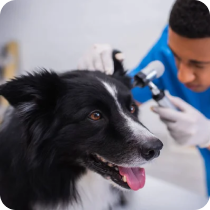
Argo, a 4-year-old male Border Collie working dog

Chief Complaint & History:
Argo first brought to the clinic due to signs of lethargy, anorexia and mild depression on the last few days.
About two weeks ago, number of ticks were found on his body. No preventative treatment for ticks & fleas was regularly administrated.
Physical Examination & Initial Laboratory Findings:
The following abnormalities were found:
- High fever (40.5°C;104.9°F)
- Lymphadenomegaly
- Thrombocytopenia 120X103/μl
- Mild Non regenerative anemia – Hct 33.6%
- Blood Smear: No pathogens were detected
Primary Suspicion:
Since it is the most common VBD in the area, the main diagnosis suspicion was Ehrlicia canis.

Treatment:
To treat this obligate intracellular bacterium a Doxycycline SID for 28 days PO (10 mg/kg) has been administrated.

After two days post-treatment
Since Argo did not respond to the initial treatment and was showing an aggravation of symptoms, he was brought into the clinic for further investigation.
Second Findings:
The following abnormalities were found:
1. Physical examination: Argo’s mucus membrane was extremely pale.
- Argo’s mucus membrane was extremely pale.
2. Blood work:
- Positive agglutination test
- Thrombocytopenia: Plt 60X103/μl
- Non-regenerative anemia: Hct 17.2%
- CK 282 U/L (20-160)
- ALP 456 U/L (13-190)
- Total protein 8.7 g/Dl (5.5-7.5)
- Globulins 6.2 g/dL (3.2-3.9)
Secondary Suspicion
- An involvement of an autoimmune disease – IMHA / IMT / Evans
- A different VBD disease, perhaps a co-infection with Ehrlicia canis
Actions:
Due to Argo’s poor condition he was hospitalized and treated with suppurative treatment (fluids, blood infusion, and doxycycline). Concurrently, blood was sent to VBPs PCR test panel which came back positive for Babesia canis!
Main Takeaway:

Popular Topics

5 easy tips for better titer testing
Core Vaccinations- What You Should Know

Feline Vaccination Life Hacks